For years, Colombia has stood out in the expansion plans of global companies as a strategic recruitment destination, offering exceptional talent, competitive costs, and time zones fully aligned with the U.S.
Operating in both the eastern and central time zones, Colombia offers a natural bridge for companies looking to extend their teams without sacrificing real-time collaboration. Yet, the real opportunity goes far beyond hiring.
The question redefining how global companies operate today is how to build genuine capacity from Colombia – with the same consistency, infrastructure and accountability as teams in the U.S. or Europe.
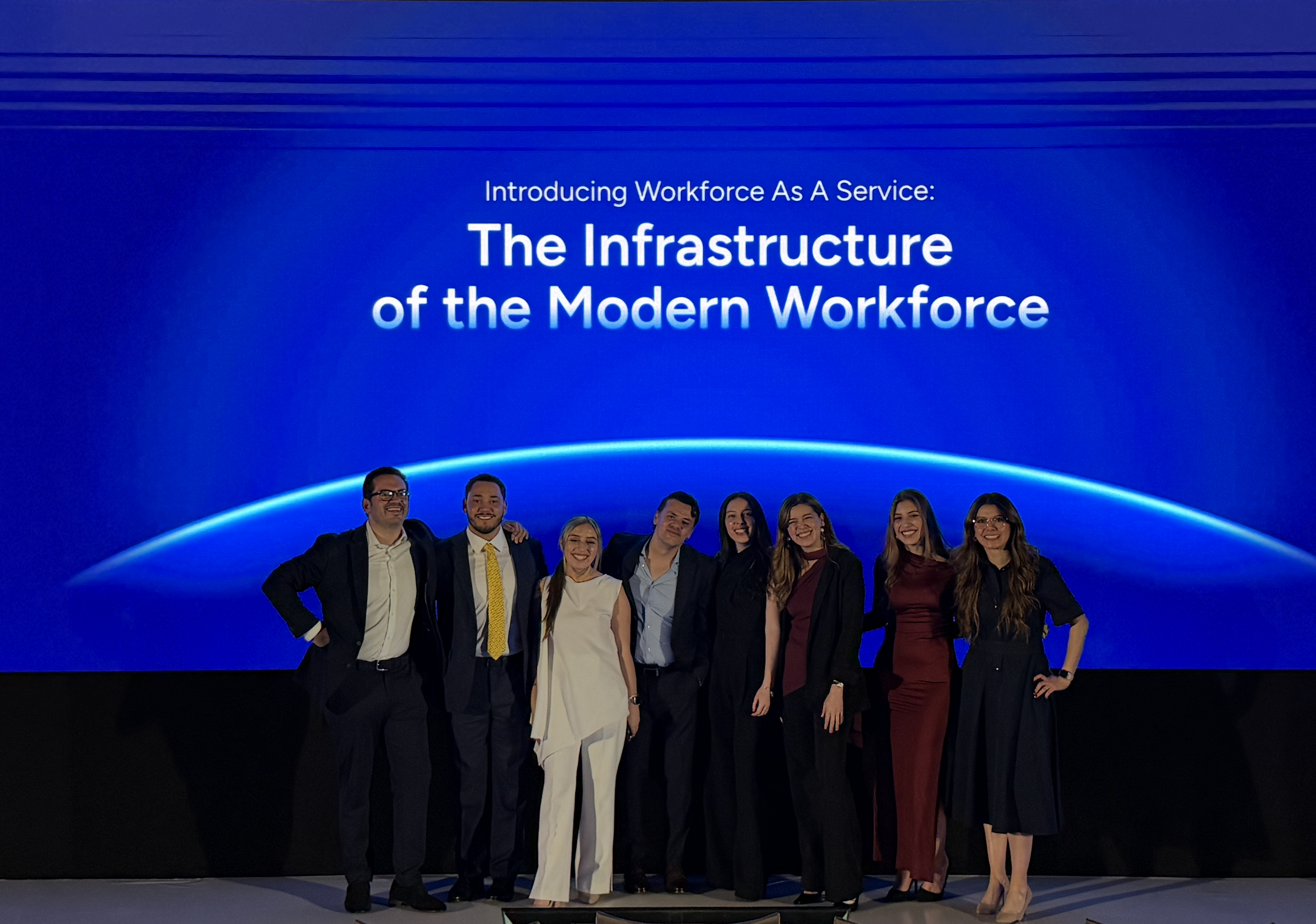
That’s exactly what Remoti brought to the table on April 14, 2026 in the Colombian capital of Bogotá. At an event with executives from global companies, technology leaders and investors, Remoti presented its Workforce-as-a-Service (WaaS) model and the launch of the Remoti App – drawing a clear distinction between simply hiring people in Colombia and truly building from here.
The distinction matters: hiring talent in Colombia is relatively straightforward today, but operating it well is another challenge entirely.
Each country in the region carries different labor laws, tax regimes, and payroll obligations, and Colombia is no exception. For foreign companies, navigating these regulations without the right infrastructure means accumulating legal risk and losing team efficiency over time.
Then, there’s retention. By the end of 2026, 67% of tech workers will be working remotely, and that number isn’t slowing down in the future. In this market, retaining Colombian talent requires more than competitive salaries: the most effective strategies include home office support, flexible schedules, wellness programs, financial assistance, and personalized tools.
A company that hires in Colombia without a clear retention plan for the following year isn’t building – it’s just filling seats.
“Complexity demands structure, and scale demands a new operating model. WaaS is that model,” said Pablo Miller, CEO and founder of Remoti. “It allows companies to create integrated teams in Latin America that collaborate seamlessly with their counterparts in the U.S. and Europe, ensuring alignment in culture, performance and results.”
Remoti manages the entire infrastructure layer, from recruitment and HR to payroll, retention and a growing ecosystem of benefits – including financial services and upskilling. This is definitely not outsourcing, but rather the infrastructure of the modern workforce, as per Miller.
The Remoti App, launched that same evening, translates this model into three layers: Global Opportunities connects companies with technical talent; Workforce Operation covers the operation of distributed teams – compliance, payments and payroll; and Marketplace & Financial Products offers financial tools including a global wallet, designed to retain that workforce once it’s up and running.
The event’s central panel, “The New Role of Global Talent in Latin America,” tackled head-on what Colombia still needs — both publicly and privately — to function as a true global operating platform.
Miller participated alongside Dr. Antonio Zabarain, the congressman who championed Colombia’s technology promotion law, and Kirk Laughlin, founder of Nearshore Americas and a leading expert on tech expansion in the region. Christopher Snyder, senior VP of engineering at Cast and Crew, Mónica Duque, and Juan Ruiz Coronado also spoke, each reinforcing their commitment to Colombian talent.
Juan Felipe Velasco Sáez, co-founder and managing director of Remoti, described the launch as the result of a decade building this model in practice:
“This launch marks a structural shift in how organizations think about redistributing their operations and accessing talent. It is the result of almost 10 years of building, operating, and refining a model alongside international companies, until consolidating it into a clear proposition.”
The Global Capability Centers category moves more than $172 billion annually, with projections exceeding $400 billion by 2032. Colombia is positioned to capture a significant share of that growth; not as a country where global companies simply hire, but as a place where they build their technology, operations, and financial capacity for the long term.
That requires more than access to talent. It requires the infrastructure to manage that talent sustainably. And that infrastructure now has a name.
Featured image: Courtesy of Remoti

Disclosure: This article mentions clients of an Espacio portfolio company.